The Technology Inside Every Audi Key — Why It Matters for Replacement
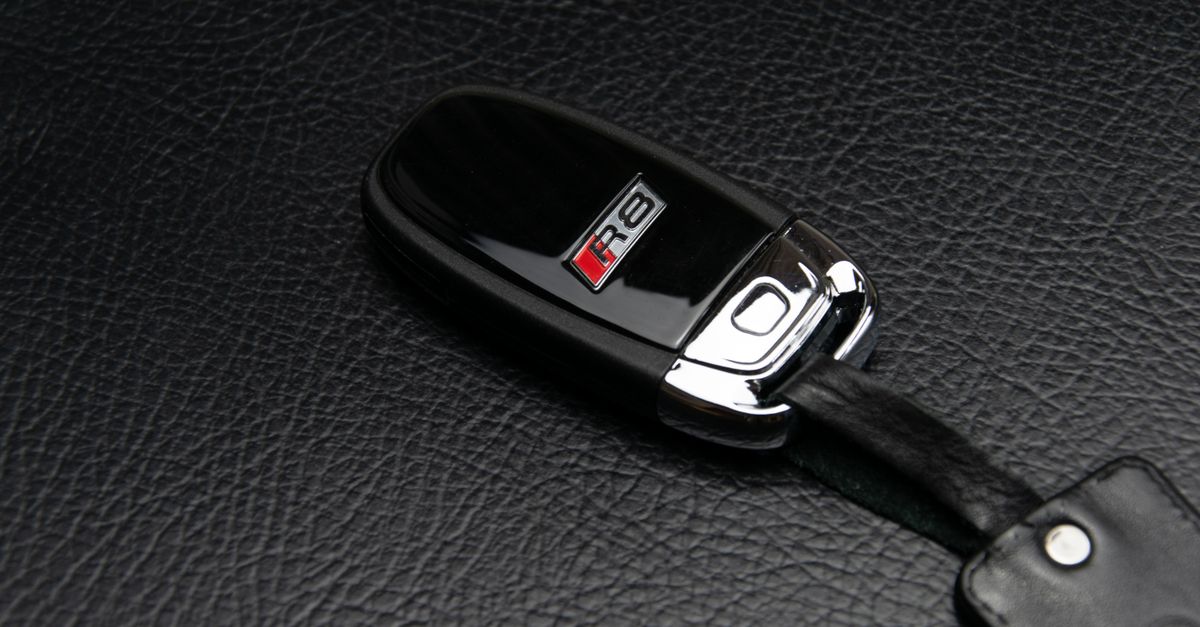
Audi has layered several generations of security technology into their key systems over the past two decades. Older models used a basic transponder chip embedded in the key blade — the chip transmits a rolling code to the car's immobiliser, and without a successful handshake the engine simply will not start. Newer Audi models use a proximity-based smart key paired with Audi's advanced MMI system, allowing push-button start and keyless entry. In between, many drivers are carrying a flip-style remote head key that combines a mechanically cut blade with a programmable fob. Each type requires a different approach: cutting the blade to the correct Audi bitting specification, programming the transponder or fob to the specific Vehicle Identification Number, and in some cases syncing the key to the vehicle's on-board modules using professional-grade diagnostic equipment.
Because the programming step is tied directly to the VIN, it is not something that can be done with a generic programmer or skipped entirely. A key that is cut but not programmed will turn the ignition barrel without starting the car. A fob that is not correctly synced will leave you pressing the lock button with no response. Our technicians carry the equipment needed to handle the full process — mechanical cutting and electronic programming — in a single visit. This is what separates a proper mobile Audi car key replacement from a partial fix that leaves you calling for help again an hour later.