Why Knob Locks Wear Out Faster Than You Expect
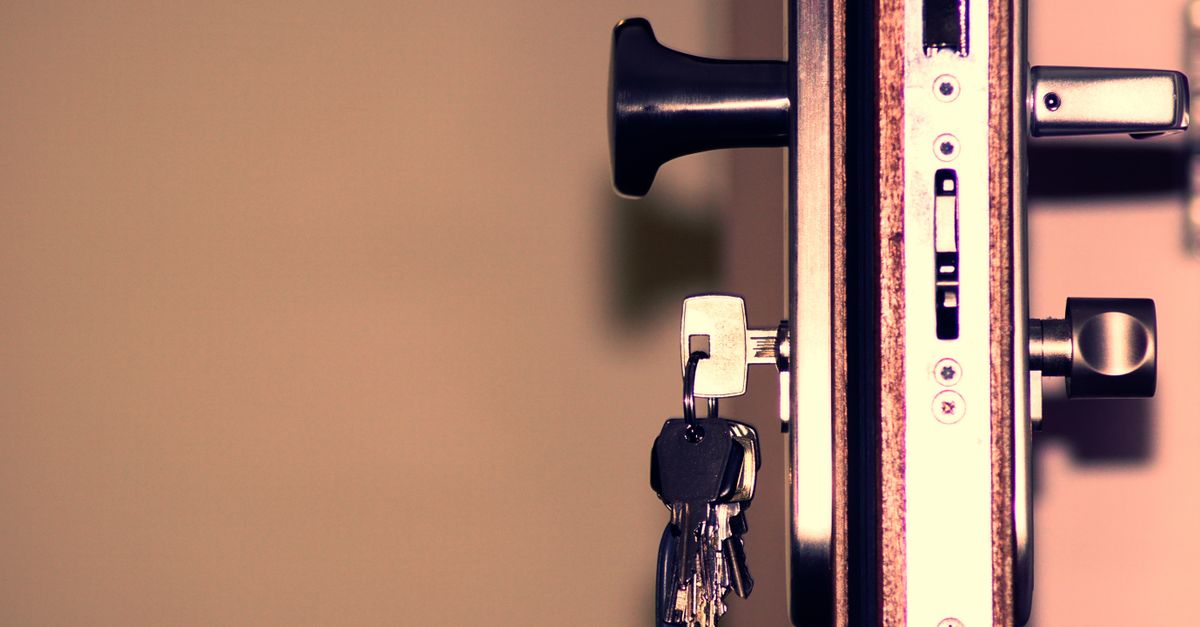
A standard knob lock takes an enormous amount of mechanical punishment over its lifetime. Every time the latch is retracted, the internal cam, spring, and spindle cycle through friction. Toronto winters make this worse: temperature swings from minus-twenty to above-freezing cause metal components to contract and expand repeatedly, and road salt tracked indoors accelerates corrosion inside the cylinder. Entry-grade knob hardware installed by a builder ten or fifteen years ago was rarely specced for decades of daily use, so sticking, grinding, and a cylinder that is hard to turn are all signs the lock has reached the end of its service life rather than a problem that lubrication alone will fix.
Interior knobs — the kind used for bedrooms, bathrooms, and closets — wear differently. A door knob with lock for bedroom use typically features a simple privacy pin rather than a keyed cylinder, but the latch mechanism and the through-spindle still degrade. When the spindle shears or the rose plate pulls away from the door face, the whole assembly needs replacement rather than adjustment. Our technicians assess which part of the mechanism has failed before recommending a solution, so you never pay for hardware you do not need.