What Access Control & Keypad Entry Actually Involves for a Toronto Office
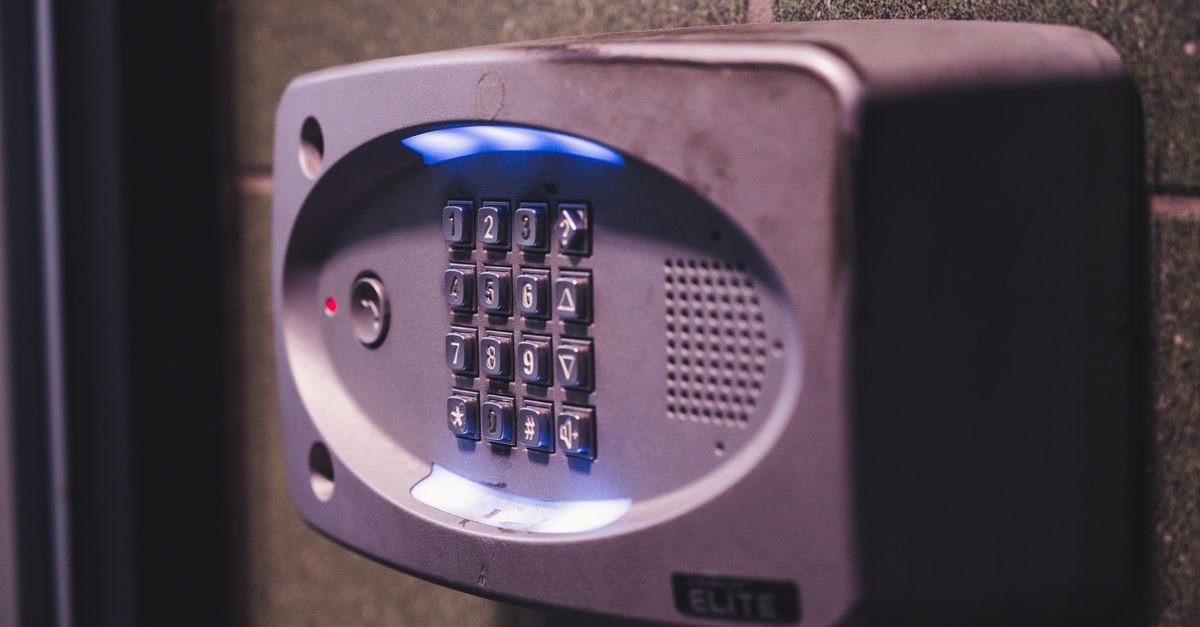
Access control is the umbrella term for any system that authenticates a person before unlocking a door — and that authentication can take several forms. Credential types include PIN codes entered on a keypad, proximity fob or card readers, mobile credentials via Bluetooth or NFC, biometric readers, or combinations of these (two-factor). The locking mechanism itself is just as important as the reader: the lock must be robust enough to hold against physical force while also integrating cleanly with the electronic signal that releases it. That is where the mortise lock plays a central role in commercial installations.
A mortise lock is fitted into a deep rectangular pocket cut into the door edge rather than surface-mounted like a cylindrical knob lock. Because the full lock body sits inside the door, it is structurally stronger and better suited to receiving the solenoid or motor-driven latch that access control wiring requires. An access control mortise lock combines this solid chassis with an electrified component — either fail-safe (unlocks on power loss) or fail-secure (stays locked on power loss) — depending on your fire-code requirements and the role of that particular door. Most commercial buildings in Toronto opt for fail-safe on egress doors and fail-secure on server rooms or storage areas. Our commercial locksmith team surveys your doors, checks the existing prep, and recommends the right mortise configuration before any hardware is ordered.