North York Key Guard Locksmiths Service Team
Local locksmith team
Aug 19, 2026 11 min read
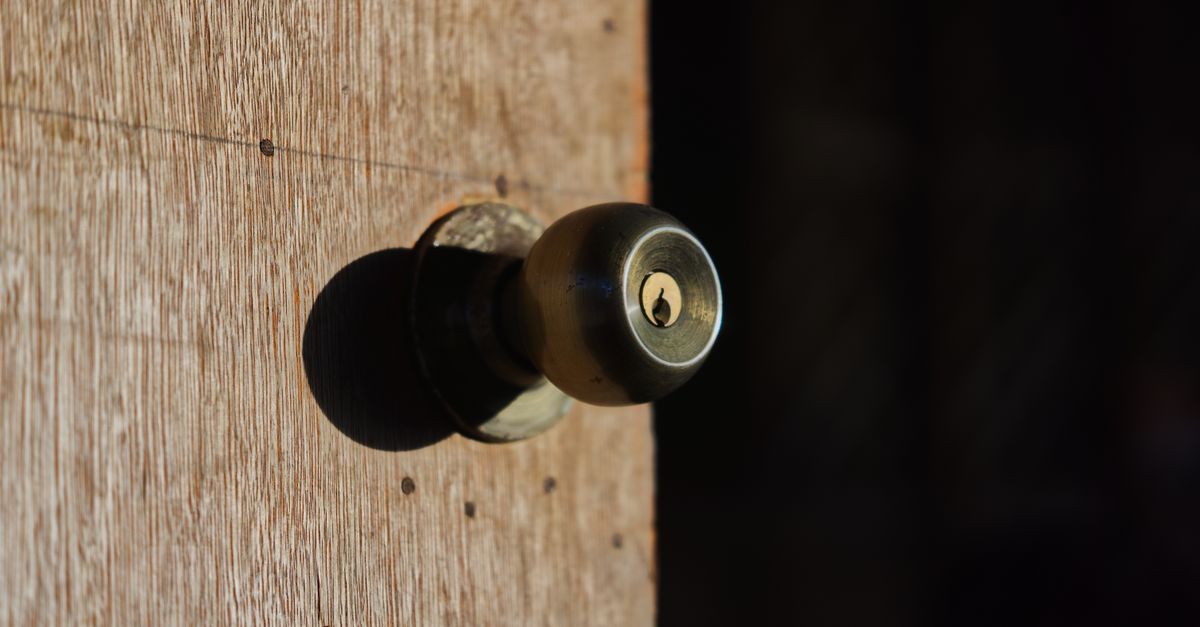
If you have ever stepped out on a January morning in North York only to find your front door knob lock fighting back — stiff, grinding, or flat-out refusing to turn — you already know how quickly a small mechanical annoyance becomes a real problem. Toronto's freeze-thaw cycle is brutal on door hardware, and a sticking knob lock is one of the most common calls we handle all winter long, from Yonge and Sheppard down to the Lawrence Manor neighbourhood.
The good news is that most sticking door knob locks have a clear cause, and once you understand what is happening inside the cylinder or latch mechanism, you can make an informed decision: a quick fix, a professional service, or a full replacement. This guide walks you through exactly that — what causes a knob lock to stick, what you can safely do yourself, and when it is time to call an experienced locksmith before the situation gets worse.
## Why a Door Knob Lock Sticks: The Real Culprits
The most common cause in the Toronto area is moisture intrusion followed by freezing. When temperatures swing between a mild afternoon and a sub-zero night — something that happens dozens of times between November and March — water works its way into the lock body, freezes, and physically jams the internal pins or the latch bolt. You will notice this most often on exterior doors that face north or are exposed to wind-driven rain and snow. The fix sounds simple, but pouring hot water directly on a frozen lock can crack a brass or zinc cylinder, so resist that instinct.
Beyond freezing, there are four other culprits worth knowing. First, dried or degraded lubricant: lock grease breaks down over time and leaves a sticky residue that gums up the pin stacks inside the cylinder. Second, a misaligned door — if your door has settled or the frame has shifted (very common in older North York bungalows and semi-detached homes), the latch bolt hits the strike plate at the wrong angle, creating that familiar resistance every time you turn the knob. Third, internal wear: the cam or tailpiece that transfers rotation from the knob into latch movement can wear down or crack, especially in higher-traffic entrances. Fourth, a faulty or corroded key plug — if the lock has been exposed to road salt tracked in from a nearby driveway or a ground-level entrance on a busy street like Bathurst, the keyway itself can corrode and cause the key to bind.
## DIY Steps That Are Safe to Try First
Before calling anyone, there are a few legitimate things a homeowner can do. If the lock is frozen, a purpose-made lock de-icer spray (available at any Canadian Tire) works by displacing moisture without damaging the cylinder. Insert the straw into the keyway, give a short burst, wait thirty seconds, and try your key again. Never use WD-40 as a long-term lubricant inside a lock — it is a water displacer, not a lubricant, and it will attract dust and gum up your pins within weeks. Instead, use a dry graphite powder or a PTFE-based lock lubricant sprayed into the keyway, then work the key in and out several times to distribute it through the pin stacks.
If the issue is a dragging latch rather than a stiff cylinder, look at the strike plate on the door frame. Hold a piece of coloured chalk on the latch bolt face, close the door slowly, and open it again — the chalk mark on the strike plate will show you exactly where the latch is catching. A slight adjustment to the strike plate position, or simply cleaning out paint buildup inside the strike box, can resolve the drag completely. What you should not attempt is disassembling the knob lock cylinder to re-pin it yourself, or trying to pick or bypass the mechanism if you are locked out — these steps risk damaging the lock permanently and, depending on the situation, can raise questions about authorization. If you are locked out of your own home, your first move should be checking for a spare key with a neighbour or family member, or trying an alternate entrance. If those options are exhausted, call a qualified locksmith who can verify ownership and open the door without damage.
## When a Mortise Lock or Full Replacement Is the Better Call
A sticking door knob lock that keeps coming back after lubrication is telling you something. If you are servicing the same lock every season, or if the knob feels loose and wobbly in addition to sticking, the internal mechanism is likely worn beyond a simple fix. At that point, the cost-effective move is a replacement — and this is a good moment to think about upgrading to a mortise lock if your door jamb and door thickness allow it.
A mortise lock sits inside a pocket (the mortise) cut into the door edge, rather than sitting in a bored hole the way a standard knob lock does. Because the lock body is larger and more robustly engineered, mortise locks handle Toronto's seasonal swelling and contraction far better, and they offer a significantly higher resistance to forced entry. As a locksmith mortise lock service, this is one of the upgrades we install most frequently on exterior doors in North York — particularly on older homes near Willowdale and Newtonbrook where the original door hardware has been in place for forty or fifty years. If your door already has a mortise pocket from a previous lock, the swap is straightforward; if not, a skilled locksmith can cut the mortise and fit the new unit in a single visit. Either way, we confirm an exact up-front price before any work begins, and the factors that shape that quote include the lock model you choose, your door material and thickness, and whether any frame repair is needed alongside the installation.
## Choosing the Right Replacement: Knob Locks, Mortise Locks, and What Fits Where
Not every door needs the same hardware. A door knob with lock and key is perfectly appropriate for interior doors — a bedroom, a home office, or a laundry room — where the primary job is privacy rather than security. For these applications, a standard passage or privacy knob set from a brand like Schlage or Kwikset does the job well, and replacement is quick. The door knob with lock for bedroom use, for example, typically uses a simple push-button or turn-button privacy function with an emergency release pinhole on the outside — no high-security cylinder required.
Exterior doors are a different story. A knob lock alone on a front or back door is considered a secondary lock at best, because the knob can be sheared off with enough force. For any exterior application, pair the knob lock with a deadbolt at minimum, or step up to a mortise lock that integrates the deadbolt and latch into one reinforced body. For commercial properties — a North York retail storefront, a multi-unit entrance on Yonge Street, or a small office — a commercial locksmith assessment is the right starting point, because high-traffic doors need heavy-duty grade-1 hardware rated for thousands of cycles per day. We handle both residential and commercial locksmith work across the Toronto area, and we can advise on the right hardware grade for your specific door and usage pattern during the visit.
## Emergency Locksmith Help — Available 24/7 in North York and Toronto
A sticking lock does not always give you warning. Sometimes it fails completely at the worst possible moment — late at night, in the middle of a January cold snap, or right before work. That is exactly why our team operates as a 24/7 mobile emergency locksmith service across Toronto, North York, Scarborough, Etobicoke, and the surrounding areas. Whether you are locked out of your front door on a residential street in Bathurst Manor or you are dealing with a jammed commercial lock on a busy Sheppard Avenue storefront, we can dispatch a skilled technician to your location any hour of the day or night.
When you call us at 437-292-3933, we ask a few quick questions about your lock type, door, and location so we can bring the right tools and hardware on the first trip. We then confirm an exact price before we touch anything — no surprises on the invoice. The factors that go into your quote include the type of lock involved (knob lock, mortise lock, deadbolt, or specialty hardware), the time of day, your location within the Toronto area, and whether replacement parts are needed. What you will never get from us is a vague estimate that balloons once we arrive. Call 437-292-3933 any time — we answer 24/7.
## Our Locksmith Services: What We Handle Across the Toronto Area
North York Key Guard Locksmiths provides a full range of residential, commercial, and automotive locksmith services throughout Toronto. Here is a specific look at what our trained technicians handle on every call: residential door knob lock repair and replacement, mortise lock installation and re-keying, deadbolt installation and upgrade, high-security cylinder replacement, master key system design and installation, lock re-keying after a move or tenant change, door knob with lock replacement for interior privacy doors, exterior door hardware upgrade consultations, lockout response for homes and apartments, commercial locksmith door hardware assessment, commercial grade-1 lock installation for retail and office entrances, push-bar and panic hardware installation, access control system integration, mailbox lock replacement, garage side-door lock repair, sliding door lock repair and replacement, patio door bar lock installation, window lock assessment and installation, safe lock service and combination changes, automotive lockout response, car key cutting and programming, transponder key duplication, broken key extraction from door and ignition cylinders, lock repair after a break-in or attempted forced entry, security consultation and door reinforcement recommendations, and knob lock upgrades to mortise or deadbolt configurations on older Toronto homes.
Frequently asked questions
Can I pick my own door knob lock if I am locked out?+
We strongly advise against attempting to pick or bypass your own lock without the proper tools and training — it is very easy to permanently damage the cylinder pins or the plug, turning a simple lockout into a full lock replacement. More importantly, the process is not as straightforward as it looks, and an improperly executed attempt can leave you worse off than when you started. The safest and most effective path is to check for a spare key with a trusted neighbour or family member, look for an unlocked window or secondary entrance, and if neither option works, call a qualified locksmith like our team at 437-292-3933. We can verify your identity and ownership, then open the door cleanly and without damage, any time of day or night.
How do I know if I need a mortise lock instead of a new knob lock?+
If your door is an exterior entry door and it has been relying on a knob lock alone — without a deadbolt — a mortise lock upgrade is almost always worth discussing. Mortise locks are significantly more robust because the entire lock body is recessed into the door edge rather than sitting in a surface bored hole, which makes them far more resistant to both physical attacks and the seasonal swelling and shrinking that Toronto winters cause. If your existing door already has a mortise pocket from old hardware, the swap is clean and fast. If not, a skilled locksmith can cut the pocket and fit the new lock in one visit. We will assess your specific door and frame during the call and give you an exact up-front price based on your lock choice, door material, and whether any frame work is involved.
Why does my door knob lock keep sticking every winter even after I lubricate it?+
Repeated seasonal sticking despite lubrication usually points to one of two underlying issues. The first is a door or frame alignment problem — if your door has settled over the years, the latch bolt is no longer aligned properly with the strike plate, and no amount of lubricant will fix a mechanical mismatch. The second is a lock body that has reached the end of its service life; worn internal components lose their tolerances and become sensitive to the small dimensional changes that cold weather causes in metal and wood. In both cases, a professional locksmith visit to diagnose whether you need a frame adjustment, a strike plate repositioning, or a full lock replacement will save you from repeating the same temporary fix every November. Our technicians carry diagnostic tools and a range of replacement hardware on every vehicle, so most issues can be resolved in a single visit.
What factors affect the cost of a door knob lock replacement or mortise lock installation?+
Several things shape the final price of any lock service call. The type of lock being installed matters most — a standard interior knob lock set costs far less than a heavy-duty mortise lock with a high-security cylinder. The material and thickness of your door affects installation time and whether any additional hardware or reinforcement is needed. The time of day is also a factor, since evening, overnight, and weekend calls involve different logistics than a standard daytime appointment. Finally, your location within the Toronto area influences travel and dispatch time. We always confirm an exact up-front price with you before any work begins, so you know precisely what to expect — no hidden charges after the job is done. To get a specific quote, call us at 437-292-3933 and describe your lock and door type.