North York Key Guard Locksmiths Service Team
Local locksmith team
Sep 16, 2026 11 min read
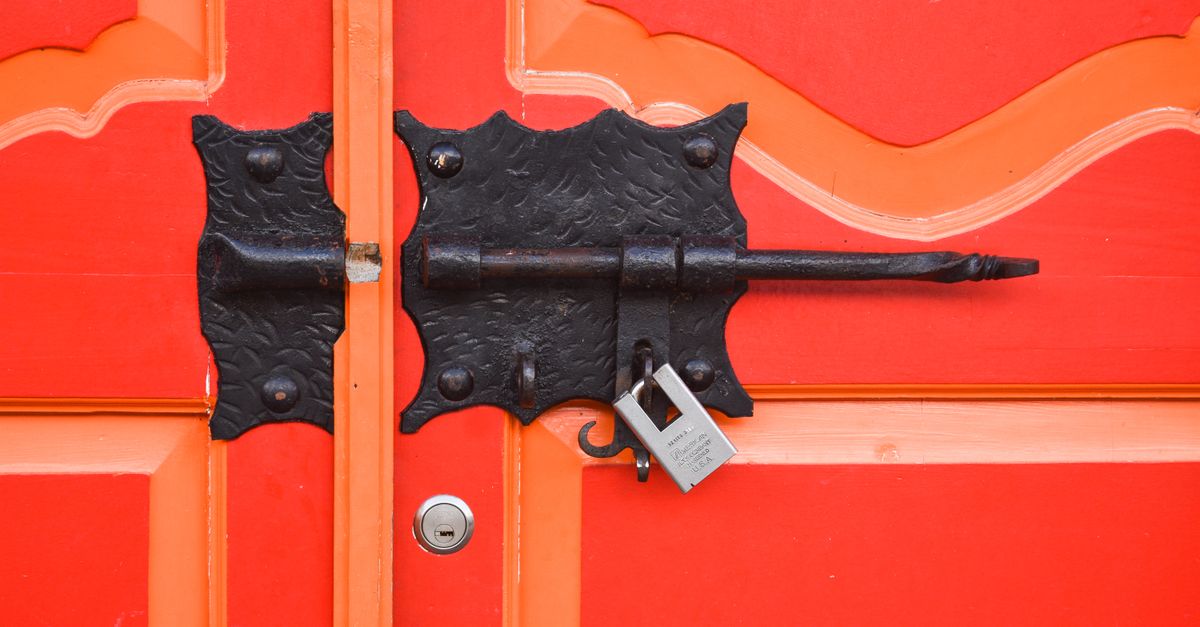
Walk the older streets of North York — Willowdale, Lawrence Park, Bedford Park — and you'll notice something that newer subdivisions rarely have: front doors with that tall, elegant hardware set deep into the door's edge, a rectangular metal plate where the latch and deadbolt seem to live inside the door rather than on it. That's a mortise lock, and it's been standard equipment on Toronto-area homes since before Confederation. If you own or rent in one of North York's century homes or early mid-rise apartments, understanding how your lock works — and whether it still makes sense for your door — could save you from a costly lockout or a security gap you didn't know existed.
This guide compares mortise locks and cylindrical locks honestly, walks through which style fits which type of door and lifestyle, and explains what to expect when you need a locksmith to service, replace, or upgrade either one. Whether you're staring at a worn-out Baldwin mortise lock on a Yonge Street duplex or wondering whether a smart mortise lock belongs on your York Mills condo corridor door, read on before you make any decisions.
## What Is a Mortise Lock and Why Do Older North York Homes Have So Many of Them?
A mortise lock is a lock mechanism that is installed inside a deep rectangular pocket — called a mortise — cut directly into the door's edge. The entire locking assembly (latch, deadbolt, and sometimes a passage knob function) sits within that pocket, flush with the door's face. What you see from outside is a trim plate, a keyhole, and a knob or lever handle. What you don't see is the robust multi-function mechanism hidden inside the door's body itself. This is fundamentally different from a cylindrical lock, where the mechanism slides through a simple round hole bored into the door and is largely exposed on both faces of the door.
North York's housing stock tells the story of why mortise locks are so common here. The neighbourhoods around Sheppard and Bathurst, along Yonge north of Lawrence, and through the older apartment corridors of Willowdale were built primarily between the 1910s and the 1960s — an era when the mortise lock set was the professional standard for any exterior door worth building. Builders back then cut those deep mortise pockets into solid-wood or solid-core doors, and the locks were often made by long-trusted names. If you've ever pulled back a strike plate on a Glencairn Avenue row house and found the name Corbin Russwin mortise lock stamped on the cylinder, you're looking at hardware that may be sixty or seventy years old and still functioning — because these assemblies were built for exactly that kind of longevity.
## Mortise Lock vs. Cylindrical Lock: A Head-to-Head Comparison for Toronto Doors
The cylindrical lock — the kind you'd find on most builder-grade new construction — is installed through two round holes bored through the door face. It's faster to install, easier to replace off the shelf, and compatible with hollow-core doors that simply couldn't support a mortise pocket. The trade-off is that the mechanism is more exposed and the bolt throw is typically shorter. For a lightweight interior door on a newer build, that's fine. For a solid 1.75-inch exterior door on a Lawrence Park home that takes a direct hit of Canadian winter wind every day, the story is different. The mortise lock's mechanism is recessed and therefore protected from weather stress and direct attack. The bolt engages deeper into the door frame, and because the entire assembly is encased in metal inside the door, there is less flex and less opportunity for the door-knob lock or deadbolt to be torqued out of alignment.
That said, cylindrical locks have a genuine place. Modern high-security cylindrical deadbolts from Schlage or other reputable brands meet Grade 1 ANSI standards, resist picking and bumping, and are far simpler to swap out when a tenant moves on or a key is compromised. In a multi-unit North York apartment building where management needs to rekey dozens of suites quickly, a cylindrical pin-tumble lock is simply more practical. The decision comes down to the door itself, the level of security you need, and whether your existing door frame can support the hardware. A trained locksmith can assess your door in minutes and tell you which option is structurally sound — and which one is just wishful thinking.
## When Your Mortise Lock Needs a Locksmith: Real Scenarios Across North York
Mortise lock cylinders wear out differently than cylindrical locks do. Because the cylinder is a separate insert screwed into the main mortise body, it can be removed and replaced independently — without tearing out the entire lock set. This is good news if you've just moved into a Willowdale condo and want to rekey without replacing the beautiful original trim. A skilled locksmith can extract the mortise lock cylinder, rekey it or swap it for a high-security cylinder, and reinstall it in under an hour with no damage to the door or the decorative plate. The catch is that not every cylinder fits every mortise body. Older North York homes often have proprietary or discontinued cylinder sizes, and sourcing the right replacement requires a locksmith with hands-on experience in heritage hardware — not just someone who's used to drilling new holes in builder-grade doors.
Emergency locksmith calls on mortise-equipped doors also tend to be more nuanced. A stuck or broken mortise lock can trap you outside when the internal cam mechanism fails — which is different from a cylindrical lock where you can often see exactly what's happening at the face of the door. If you're locked out of a Bedford Park or Leaside home with a mortise lock set on the exterior door, the priority is getting you back inside safely, without damaging a door that might be irreplaceable. Our team responds 24 hours a day across North York and the broader Toronto area, and we carry the tools to service most mortise assemblies on the spot. If you need help right now, call us at 437-292-3933 — we answer every call, day or night.
## Smart Mortise Locks and Modern Upgrades: What Actually Works on Old Doors
One of the most common questions we hear from North York homeowners is whether they can add keypad or smart home access to a door that already has a mortise lock. The short answer is yes — the smart mortise lock category has expanded significantly, and several manufacturers now produce electronic mortise lock sets that retrofit into standard mortise pocket dimensions. These units replace the cylinder and often the trim hardware while keeping the existing mortise body in the door, which means no new pocket cutting and no structural changes to a door that may be a century old. You get a keypad, a Bluetooth or Z-Wave radio, and remote access — without sacrificing the deep bolt engagement that made the original hardware worth keeping.
There are real limits, though. Not every historic mortise pocket accepts a modern electronic module, and some older multi-family buildings have rules about what hardware can go on corridor-side doors. Wiring for electric strike release on a wood-framed door also raises questions about battery backup and fail-safe versus fail-secure modes that have direct fire-code implications in Ontario. A commercial locksmith visit — even for a residential property that falls under commercial building codes — is the right way to sort through these questions before you buy anything. The factors that shape the final price of a smart lock installation include the lock model, whether the existing mortise body needs modification, any required trim hardware, and travel to your address. We confirm an exact up-front price before any work begins, so there are no surprises.
## How to Choose: A Practical Decision Guide for North York Homeowners
Start with the door itself. If you have a solid-wood or solid-core door that already has a mortise pocket, replacing a failing mortise lock set is almost always the right call — you'd be filling a large rectangular void and re-boring a smaller round hole, which weakens the door unnecessarily. If you have a hollow-core interior door or a newer fiberglass entry door with only round-bore prep, a quality cylindrical deadbolt is simpler, more cost-effective, and equally secure when you choose a Grade 1 cylinder. For exterior doors on heritage Toronto properties, also consider the door's visual character: a Baldwin mortise lock set with period-appropriate trim can preserve the look of a 1920s craftsman door in a way that a cylindrical knob-and-deadbolt combination simply cannot.
Second, think about who needs access and how often keying changes. Rental properties with high turnover often benefit from cylindrical rekeyable systems or even a commercial-grade keypad deadbolt, because rekeying cylinders between tenants is quick and inexpensive. Owner-occupied homes where security and aesthetics both matter tend to be the best candidates for a high-security mortise lock cylinder upgrade — pairing the original hardware profile with a modern restricted-key cylinder that can't be duplicated at a corner hardware store. Whatever your situation, the best next step is a hands-on assessment from an experienced locksmith who has actually worked on North York's diverse building stock. We service residential and commercial properties across the area, from door knob lock replacements in apartment corridors to full mortise lock set installations on grand Hoggs Hollow entry doors. Reach out any time — our line at 437-292-3933 is staffed around the clock.
Frequently asked questions
What is a mortise lock and how is it different from the lock on most new homes?+
A mortise lock is a multi-function lock assembly installed inside a deep rectangular pocket cut into the door's edge. The latch, deadbolt, and often a knob or lever function all live inside that single housing, flush with the door. Most newer homes use cylindrical locks, where separate components pass through round holes bored in the door face. The mortise design is generally more robust on solid-core doors because the mechanism is fully encased in metal within the door body, making it harder to torque or pry. It is the standard you will find on most century homes and older mid-rise apartment buildings across North York and Toronto.
Can a locksmith rekey a mortise lock without replacing the whole lock set?+
Yes, and this is one of the practical advantages of the mortise system. The cylinder — the part that reads your key — is a separate insert that screws into the main mortise body. A trained locksmith can extract just that cylinder, rekey it to a new key combination, or replace it with a higher-security cylinder, then reinstall it without touching the decorative trim or the internal mechanism. The one complication is that older North York homes sometimes have proprietary cylinder sizes from discontinued product lines, so it is worth calling a locksmith with heritage hardware experience rather than assuming any replacement cylinder will fit.
Is a smart mortise lock a realistic option for an older Toronto home?+
It can be, depending on your specific door and mortise pocket dimensions. Several manufacturers now produce electronic mortise lock sets designed to retrofit into standard-size mortise pockets, giving you keypad or app-based access while keeping the existing lock body in place. That said, not every historic pocket accepts a modern module without modification, and multi-unit buildings in Ontario may have fire-code requirements around fail-safe versus fail-secure operation that affect which products are permissible. The factors that shape the installation cost include the lock model chosen, whether the existing mortise body needs adjustment, any trim hardware required, and travel to your location. We confirm a firm price before starting any work.
What should I do if I am locked out of a home with a mortise lock at night in North York?+
First, check whether any other entrance to the home is accessible and whether a trusted neighbour or family member holds a spare key — both safe first steps that cost nothing. Avoid any attempt to force the door or manipulate the lock yourself, as mortise mechanisms fail in ways that can permanently jam the internal cam and make professional entry harder and more expensive. When those options are exhausted, call a professional locksmith who has experience with mortise hardware specifically. North York Key Guard Locksmiths operates 24 hours a day, seven days a week across North York and the wider Toronto area. Call 437-292-3933 and we will dispatch a trained locksmith to your address, verify ownership, and get you back inside without unnecessary damage to your door.