How Car Key Programming Actually Works
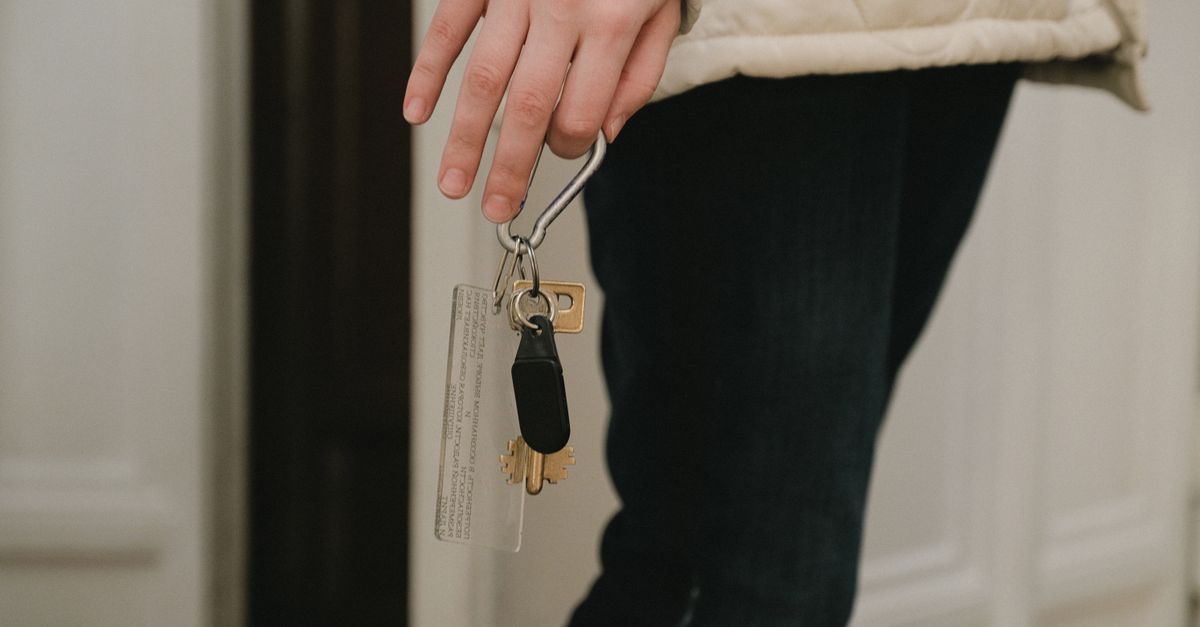
Every vehicle manufactured since the mid-1990s contains an immobilizer — a security module that communicates with a tiny transponder chip embedded in your key's head or fob casing. When you insert or present the key, the car transmits a low-frequency radio signal to the chip; the chip responds with an encrypted code the immobilizer recognizes. If the code doesn't match — because the key hasn't been programmed or the existing programming was lost — the engine control unit (ECU) cuts fuel delivery and the car won't start, even if the mechanical cut is perfect. Key fobs add a second layer: a separate radio-frequency remote that talks to the body control module (BCM) to handle door locks, the trunk, and in many cases remote start. Programming a replacement or spare therefore involves two distinct processes — cutting the blade to the correct profile and writing the correct cryptographic identity into the chip or fob. Our technicians use current-generation OBD-II diagnostic tools and key programmers compatible with domestic and import vehicles alike, covering makes from Ford, GM, Chrysler, and Honda through to Toyota, Nissan, Hyundai, Kia, and many European brands.
The exact process varies by make and model year. Older vehicles may allow a simple 'on-board' programming sequence using the ignition and existing keys. Newer platforms — particularly post-2010 models from many manufacturers — require a direct connection to the OBD-II port and specialized software to authenticate the programming session. Some high-security vehicles generate unique PIN codes stored in the BCM that must be read before a new key can be added. Our team stays current with these evolving requirements, which is why sending a trained technician with the right equipment to your location produces a faster, more reliable result than generic hardware store key duplication that simply cannot handle transponder data.