Why a Deadbolt Installation Is Worth Doing Right the First Time
A poorly fitted deadbolt is almost as dangerous as no deadbolt at all. If the bolt doesn't throw the full distance into the strike plate, or if the strike plate itself is anchored with short screws into soft pine framing, a determined push can defeat the lock in seconds. Correct deadbolt installation means choosing the right grade of lock for the exposure level, boring the cylinder hole to the exact diameter the lock requires, aligning the bolt with the strike box so there's no binding or play, and securing the strike plate with 3-inch screws that reach the structural stud — not just the door casing. Our technicians carry commercial-grade strike plates and long-form hardware as standard, so the upgrade is complete even when the original framing was underbuilt.
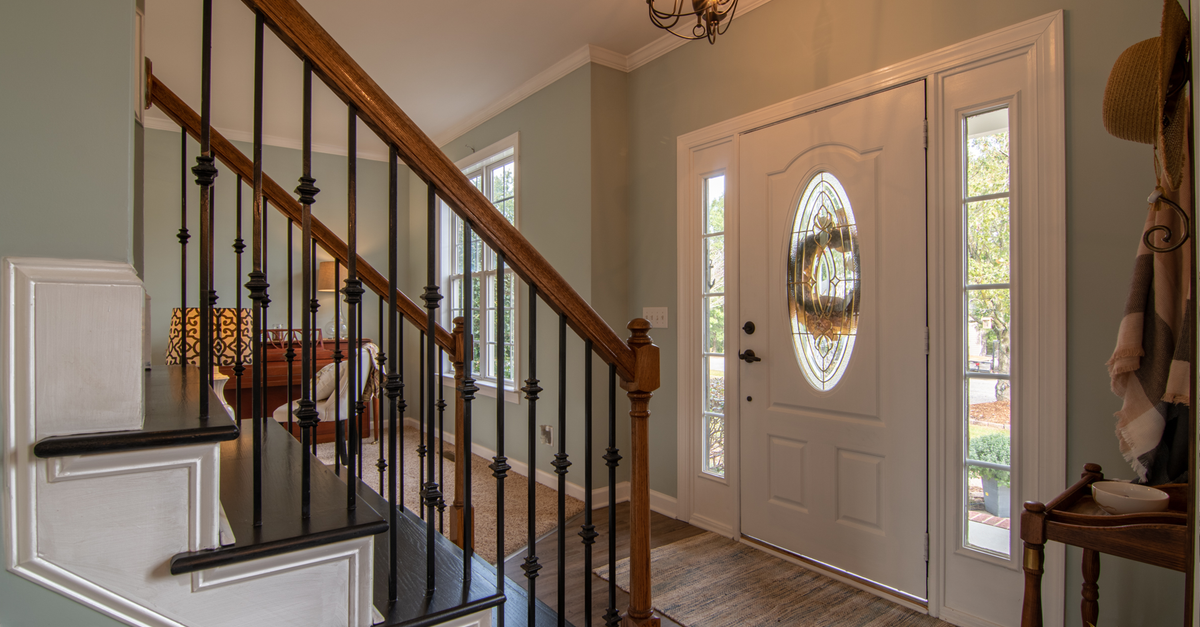
Single-cylinder deadbolts — keyed on the outside, thumb-turn on the inside — suit most residential exterior doors and are the go-to choice for doors without glass panels nearby. Double-cylinder deadbolts require a key on both sides, making them the preferred option for doors with sidelights or decorative glass within arm's reach of the interior thumb-turn, where a burglar could otherwise break the glass and simply rotate the latch. Both configurations are available in Grade 1 hardware from brands such as Schlage and Kwikset, and our team will walk you through which option fits your specific door, frame condition, and household needs before we start any work.