North York Key Guard Locksmiths Service Team
Local locksmith team
Oct 17, 2026 10 min read
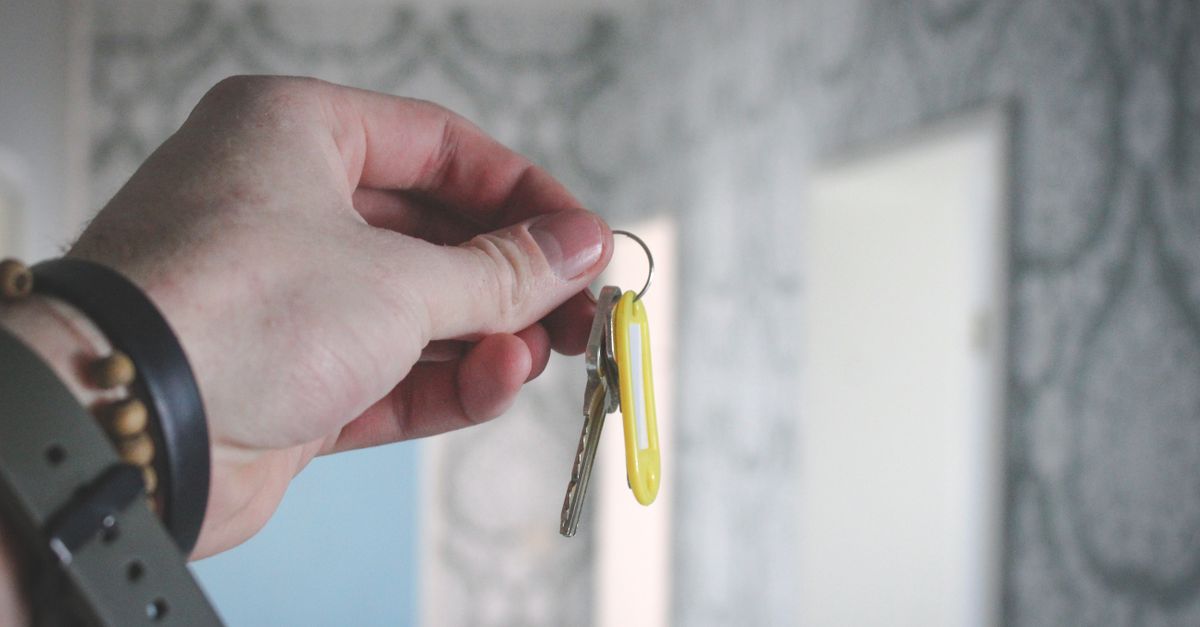
Signing the papers, getting the keys, and finally walking into your new Toronto home is one of the best feelings there is — but those keys you're holding have likely been copied more times than you'll ever know. The previous owners, their relatives, their real estate agent, a contractor, a dog walker, a house sitter — any of them could have a working copy sitting in a junk drawer right now. Rekeying your locks is the single smartest thing you can do in your first week, and it costs a fraction of replacing every lock on the door.
At North York Key Guard Locksmiths, we help new homeowners across the Toronto area — from the tree-lined streets of Lawrence Park to the busy corridors near Yonge and Sheppard — take control of their home security from day one. This guide walks you through exactly what rekeying involves, when you might want a full lock replacement instead, and how to make the right call for your specific doors and budget.
## What Rekeying Actually Means (and Why It Works)
Rekeying is the process of changing the internal pin configuration inside your existing lock cylinder so that the old keys no longer work and a fresh set of keys does. A trained locksmith removes the lock cylinder from your door, disassembles it, swaps out the driver pins and key pins to match a new key cut, then reinstalls everything. The hardware on your door stays exactly the same — the deadbolt, the strike plate, the finish — only the internal mechanics change. For most standard deadbolts and door knob locks, the whole process takes about 15 to 20 minutes per lock.
This matters because the security risk on a newly purchased home is not usually about the quality of the locks — it is about who has access to them. A good-quality deadbolt that was installed two years ago is still a good-quality deadbolt. Rekeying it eliminates every key that has ever been cut for that cylinder without spending money on new hardware. It is fast, it is thorough, and it gives you immediate peace of mind before you even finish unpacking.
## Mortise Lock, Deadbolt, or Door Knob Lock — Know What You Have Before You Call
Toronto homes span a wide range of eras and styles, and the type of lock on your door affects how rekeying works. Many older detached and semi-detached homes in neighbourhoods like Wychwood, Rosedale, and the Annex have mortise locks — a rectangular lock body that sits inside a pocket (the mortise) cut into the door edge, rather than in a bored hole. A mortise lock typically handles both the latch and the deadbolt function in a single integrated unit and is common on doors built before the 1970s. Rekeying a mortise lock requires a locksmith who is specifically experienced with that format, because the cylinder removal and pin replacement process differs from a standard cylindrical deadbolt.
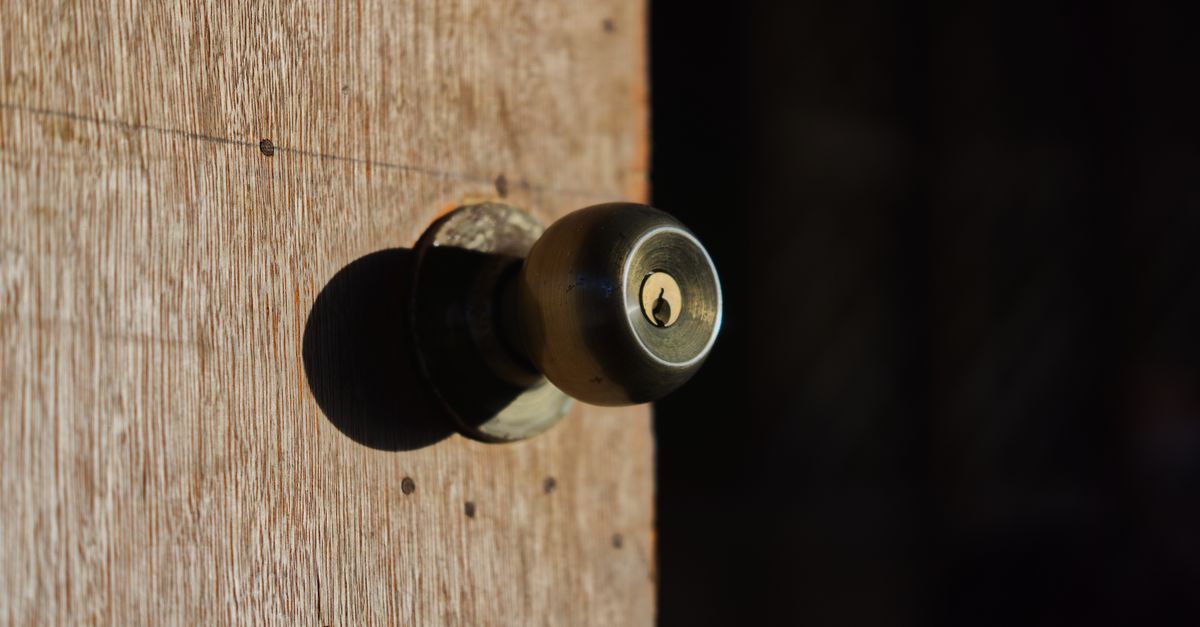
Newer builds and renovated homes more commonly use separate cylindrical deadbolts and door knob locks — the two-bore system you see on most modern doors. Condos and townhomes in North York and Scarborough often feature this setup. Knowing which type you have lets our team arrive with exactly the right tools and replacement pins. If you are not sure, just describe the lock when you call — our experienced locksmiths can identify the type from your description and come prepared.
## When a Full Lock Replacement Makes More Sense Than Rekeying
Rekeying is the right move in most situations, but there are genuine cases where replacing the lock entirely is the smarter investment. If the lock is visibly worn — the cylinder wobbles, the deadbolt throws unevenly, or the keyway is damaged from previous forced-entry attempts — rekeying a compromised mechanism does not solve the underlying problem. Similarly, if you are moving into an older property with an antique mortise lock that has seen decades of use, upgrading to a modern, high-security cylinder can meaningfully improve your protection beyond what a rekey alone achieves.
Full lock replacement also makes sense when you want to standardize your home to a single key. If your front door, back door, and side entry all have different lock brands — say, a Kwikset deadbolt on the front and a Schlage on the back — a locksmith can install matching cylinders across every entry point and key them alike, so one key opens your entire home. This is called a master key or keyed-alike setup and is especially popular with homeowners managing multiple entrances or rental suites. Our team handles both residential and commercial locksmith work, so whether you own a single-family home or a mixed-use property on a busy Toronto corridor, we can design a keying system that makes daily life simpler.
If you are on the fence about which option fits your situation, call 437-292-3933 — we answer around the clock, and we are happy to talk through what makes sense before you commit to anything.
## Emergency Locksmith Situations New Homeowners Should Be Ready For
Moving day chaos is real. Keys get mixed up with the previous owner's set, movers prop doors open, and suddenly nobody is sure which key works which lock. We regularly respond to emergency locksmith calls on moving day itself — a homeowner locked out of their new property before a single box has been brought inside, or a key that was supposed to work on the back door that simply does not. Being locked out of a home you just purchased, on the street in front of moving trucks, is stressful in a way that is hard to overstate.
The right response is not to attempt anything that could damage the lock or the door frame. Instead, check whether any other entry point is accessible — a garage side door, a window you know was left unlatched — and verify whether a real estate agent still has a key from the closing. If neither option resolves it, call a professional. Our emergency locksmith team operates 24 hours a day, seven days a week, across Toronto and the surrounding area. We verify ownership before we open any lock — a standard step that protects you and every homeowner on your street. We will ask for identification and proof of ownership, which is exactly the kind of due diligence you want from any locksmith working on your home.
## What Determines the Cost of Rekeying in Toronto
One of the most common questions we get is how much rekeying costs, and the honest answer is that it depends on several specific factors. The type of lock matters most — rekeying a standard cylindrical deadbolt is a straightforward job, while rekeying a mortise lock or a high-security cylinder with a restricted keyway takes more time and specialized components. The number of locks on your property is a direct factor as well; a detached home with a front deadbolt, a door knob lock, a back deadbolt, and a garage entry lock is a different scope than a condo with a single entry cylinder.
Time of day and travel distance also affect the final figure. A call at 2:00 a.m. in North York involves different logistics than a scheduled morning appointment a few blocks from our base of operations. We always confirm the exact price before any work begins — no surprises on the invoice after the job is done. If you have questions about what is included, ask us when you call. We would rather have that conversation up front than leave you uncertain about what you are agreeing to.
## A Quick Checklist for Your First Week in a New Toronto Home
Beyond rekeying, there are a few practical steps that new homeowners consistently overlook in the excitement of moving in. Walk every exterior door and test the deadbolt throw — it should extend fully and seat cleanly in the strike plate without resistance. Check that strike plates are secured with screws long enough to reach the door frame stud, not just the door jamb trim; short screws are one of the most common security weak points on otherwise solid doors. If your home has a sliding patio door, confirm the secondary lock or pin is functional.
If your property has a detached garage or a laneway suite — increasingly common across Toronto's older residential neighbourhoods — treat those entry points with the same priority as your front door. A door knob lock alone on a secondary structure is rarely adequate. Our team handles rekeying and lock upgrades on garages, sheds, and secondary suites as readily as on main entries. We also work with landlords and property managers on commercial locksmith setups for multi-unit buildings, so if your new purchase includes a basement apartment or a rental unit, we can help you establish a proper keying hierarchy from the start. Call 437-292-3933 any time — day or night — to book a same-day visit or just to ask a question.
Frequently asked questions
How long does it take to rekey all the locks in a typical Toronto home?+
For a standard detached or semi-detached home with three to four exterior locks — usually a front deadbolt, a door knob lock, a back deadbolt, and a side or garage entry — the full job typically takes between 45 minutes and an hour and a half on-site. A mortise lock takes a little longer to disassemble and repin than a cylindrical lock, so older Toronto homes with original hardware can run toward the longer end of that range. Our mobile locksmiths arrive with the tools and pin kits needed for both formats, so there is no second trip required.
Is rekeying as secure as replacing the lock entirely?+
In most cases, yes — rekeying fully eliminates access for any key that was previously cut for that cylinder, which is the primary security concern when you move into a home someone else has lived in. The remaining security is determined by the quality and condition of the lock hardware itself. If the lock body and cylinder are in good condition, rekeying restores full security without new hardware. If the lock is worn, damaged, or is a low-grade unit, a replacement may offer better long-term protection. A skilled locksmith can assess the condition of each lock on your door and recommend the right approach for each one.
Can you rekey my locks to all work with one key?+
Yes, this is called a keyed-alike setup and it is one of the most practical upgrades a new homeowner can request. As long as the locks are the same brand and keyway family — or are replaced with matching cylinders — a trained locksmith can configure every entry point on your property to operate from a single key. This is especially useful for homes with multiple exterior doors, garage entries, or secondary suites. It eliminates the hassle of carrying a separate key for every lock and is a standard part of what we offer during a rekeying appointment.
What should I do if I get locked out of my new home on moving day?+
First, stay calm and avoid anything that could damage the door or the lock — forced entry attempts can warp frames, break cylinders, and create repair costs that far exceed a locksmith call. Check whether another entry point is accessible, and confirm whether your real estate agent or a family member still has a working key from the closing. If neither option is available, call a professional locksmith right away. North York Key Guard Locksmiths provides emergency locksmith service 24 hours a day across Toronto — including same-day response on weekends and holidays. We will ask for identification and proof of ownership before opening any lock, which is a standard and necessary step. Reach us any time at 437-292-3933.