North York Key Guard Locksmiths Service Team
Local locksmith team
Oct 25, 2026 13 min read
If you own or rent a condo in Toronto — whether you're in a high-rise near Yonge and Eglinton, a mid-rise in North York, or a newer build along Sheppard Avenue — securing your front door is a bit more complicated than it is for a detached home. You share a building entry, you may have a property manager watching what hardware goes on the door, and the lock that came with your unit might be a decade old. That combination of restrictions and risks is exactly why so many Toronto condo residents end up frustrated when they try to upgrade their security.
This guide cuts through the confusion. We'll walk you through what lock upgrades are actually permitted in most Toronto condo buildings, which changes make the biggest real-world difference, when you should call a professional rather than attempt a DIY fix, and how to handle the shared-entry side of condo security that most guides ignore entirely. Whether you want to change a door lock after a roommate moves out, rethink your keypad setup, or finally replace that worn-out door knob lock, here's what you need to know.
## Why Condo Door Security in Toronto Is a Different Problem
Most Toronto condo buildings use a layered entry system: a fob or keypad at the lobby, a second controlled entry point at the elevator or stairwell, and then your individual suite door. That last layer — your suite door — is the one you control, but only up to a point. Most condo corporations and property managers in the City of Toronto require that suite doors use a mortise lock or a specific deadbolt profile that fits the existing door prep. Swapping to a completely non-standard lock can void your responsibility under the condo declaration or result in a maintenance charge if the door frame is altered. Before you change a lock or install any new hardware, check your building's rules with the property manager. In most cases, you are allowed to upgrade the cylinder or the lock grade — you just cannot change the form factor of the door itself.
This matters because the mortise lock is the right answer for a huge number of Toronto condo doors. A mortise lock sits inside a pocket cut into the door edge, combining the latch and deadbolt into a single robust unit. Unlike a simple door knob lock or a surface-mounted rim lock, a mortise lock is far harder to kick in or manipulate because its bolt engages deeply into a reinforced strike plate. Many Toronto mid-rise and high-rise buildings were built with mortise lock preps already in the door — if yours was, upgrading the cylinder inside that existing mortise body is one of the highest-value security improvements you can make, and it usually requires no modification to the door at all.
## The Smartest Lock Upgrades Actually Allowed in Most Toronto Condos
Once you know your building allows it, here are the changes that genuinely move the needle on security. First, have a locksmith rekey your lock when you move in. Rekeying means the locksmith reconfigures the internal pins of your existing lock cylinder so that the previous tenant's key no longer works — and new keys cut to a fresh code are the only ones that operate the lock. Learning how to rekey a lock yourself is possible with a kit, but in a condo setting where the wrong move can compromise fire-egress compliance or damage a mortise lock body, having a trained locksmith do it takes about 15 minutes and leaves you with documented proof the work was done correctly. This is almost always less disruptive than a full lock replacement and is the single most overlooked step new condo residents skip.
Second, consider upgrading your cylinder to a higher-security grade inside the existing mortise lock or deadbolt housing. High-security cylinders from manufacturers like Schlage or Medeco use patented keyways, anti-pick pins, and drill-resistant components that dramatically reduce the risk of someone bypassing your lock without a key. Third, if your building and door allow it, adding a keypad or smart lock to your suite door gives you the ability to grant and revoke access codes without cutting new keys — particularly useful if you have cleaners, contractors, or family members who need temporary entry. Knowing how to change the code on a keypad door lock is straightforward with most models: you typically enter your existing admin code, press a programming button, then enter and confirm the new code. That said, the setup and integration vary enough between lock brands that a professional installation avoids misconfigurations that could lock you out of your own unit.
## Mortise Lock Repair and Replacement: When to Call an Emergency Locksmith
A mortise lock that is stiff, sticky, or where the latch no longer retracts smoothly is not just an annoyance — it is a real security vulnerability. In Toronto's climate, where temperature swings between -20°C winters and humid July heat cause door frames to shift and expand, mortise lock mechanisms take a lot of stress. If you are forcing your key or your door handle is loose inside the rosette, those are signs the internal components need attention before the lock fails entirely. Do not wait until you are locked out at midnight to deal with it.
That is exactly the scenario where an emergency locksmith makes a real difference. Our team at North York Key Guard Locksmiths responds across Toronto — including neighborhoods like Willowdale, Don Mills, Lawrence Park, and Bathurst Manor — around the clock, every day of the year. If a mortise lock fails, the repair or replacement requires disassembling the entire lock body from inside the door pocket, which is not a reasonable DIY project for most people. A skilled locksmith can diagnose whether the issue is the cylinder, the cam, a broken case, or just dried-out lubrication — and fix only what needs fixing, rather than replacing the entire unit unnecessarily. If you are dealing with a failing lock right now, call us at 437-292-3933 and we will dispatch a technician to your location, confirm an exact up-front price before any work begins, and get your door functioning securely.
## Door Knob Locks, Keypads, and What NOT to DIY
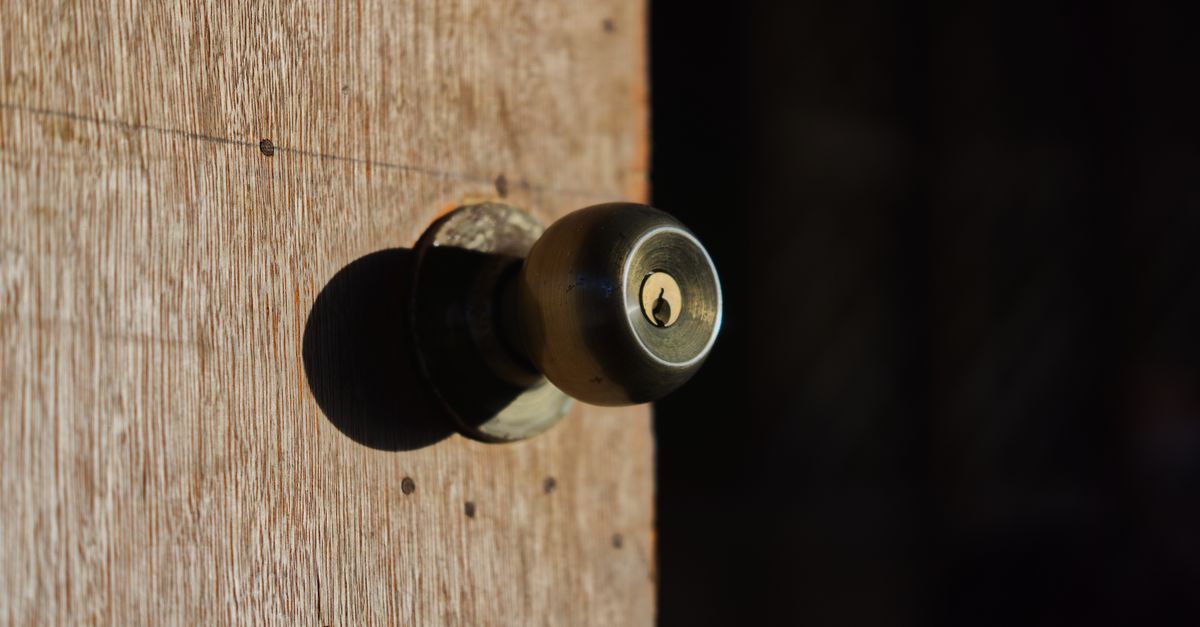
A door knob lock on a condo suite door is almost always supplemental hardware — a latch mechanism, not a primary security device. On its own, a door knob lock provides very little protection. They are relatively easy to defeat without any specialized knowledge, which is why security professionals universally recommend pairing any door knob lock with a proper deadbolt or, better yet, a full mortise lock. If your suite relies only on a door knob lock, that is worth raising with your property manager or upgrading as soon as your building rules permit.
On the keypad side, changing the code on a door lock regularly — especially after a relationship change, a contractor visit, or any situation where someone had temporary access — is one of the simplest security habits you can build. Most keypad locks let you change the door lock code without tools: consult your lock's manual for the exact sequence since it varies by brand. What we do caution against is attempting to bypass, pick, or force any lock — including your own — without professional help. Even if you are legitimately locked out of your own condo unit, the safer and faster path is to contact us at 437-292-3933. We verify ownership on-site and get you back in without damage to your door or frame. Attempting to pick a lock without training almost always causes internal damage that makes the eventual repair more expensive and complex.
## Building Entry Systems, Shared Access, and the Commercial Locksmith Side of Condo Security
Individual suite security is only one part of the picture. Toronto condo buildings also rely on controlled access at lobbies, parking garages, amenity rooms, and mail areas — and when those systems fail or need upgrading, a commercial locksmith is who the building management needs. North York Key Guard Locksmiths works with condo boards and property managers across the Toronto area on exactly these challenges: rekeying master key systems after a superintendent change, repairing electromagnetic door holders, replacing worn lobby hardware, and advising on access control upgrades that balance resident convenience with real security.
For individual condo owners who are also on their condo board or sit on a building committee, it is worth knowing that a systematic rekeying of common areas — done by an experienced locksmith who understands master key hierarchies — is far more secure than issuing new fobs alone. Physical key control matters in multi-unit buildings, and the decisions made at the building level directly affect how secure your suite actually is, regardless of how good your own mortise lock is. If your building has not had a full lock audit in several years, it is a conversation worth bringing to your property manager. Our team is happy to consult with building management directly — no project is too small or too large.
## 25 Lock and Door Security Services We Provide Toronto Condo Residents and Buildings
Here is a specific breakdown of what North York Key Guard Locksmiths handles for condo clients across Toronto and North York: mortise lock repair and replacement, high-security cylinder upgrades inside existing mortise lock bodies, lock rekeying after tenant changeover, deadbolt installation on suite doors, keypad door lock installation and programming, door knob lock replacement and upgrade, smart lock installation and Wi-Fi bridge setup, master key system design for multi-unit buildings, master key system rekeying after staff changes, emergency lockout response for condo suites, lobby door hardware repair, electromagnetic door holder service, parking garage access point repair, amenity room lock rekeying, mailroom lock replacement, building superintendent key duplication with access restrictions, high-security key cutting for restricted keyways, broken key extraction from mortise lock cylinders, strike plate reinforcement installation, door frame repair following attempted forced entry, lock lubrication and adjustment for seasonal door shifts, access control system consultation for condo boards, intercom and door release system pairing with new lock hardware, safe installation inside condo units, and post-renovation lock changeover when contractors have had key access. Every service comes with an exact price confirmed before we start — no surprises on the invoice.
## How to Change a Lock on a Condo Door: When DIY Makes Sense and When It Doesn't
There are situations where changing a door lock yourself is reasonable: if you own your unit, your building permits hardware changes, and the replacement lock is the same form factor as the original (same bore size, same backset, same door prep). In that case, how to change a door lock is fairly straightforward — remove the two screws on the interior rose or escutcheon, pull the old unit through the door, slide the new one in, and reverse the process. Most Schlage or Kwikset deadbolts include clear instructions for this. Where it goes wrong is when the door prep does not match the new lock, when the door is a fire-rated assembly (common in condos) that requires specific hardware, or when the existing lock is a mortise lock, which has a completely different installation process from a cylindrical deadbolt.
If you are unsure whether your door qualifies for a straightforward swap, the safest call — literally — is to reach out before you start, not after you have a disassembled door and a lock that does not fit. Our team can tell you over the phone whether your door sounds like a standard change or something that needs a professional set of hands. And if you are at the point where you need to change a lock urgently — a key was lost, a relationship ended, you just bought the unit — we are available around the clock. Call 437-292-3933 any time, day or night, and we will confirm an exact up-front price and get to you fast.
Frequently asked questions
Can I change my condo lock without permission from my building?+
It depends on your condo corporation's rules, which vary by building. Most Toronto condo declarations allow you to change or upgrade the cylinder inside your existing lock hardware, but they typically prohibit altering the door itself or installing hardware that changes the door's fire rating or form factor. Always check with your property manager first. If the change is allowed, a trained locksmith can handle it in a way that is fully compliant with your building's requirements — and can advise you on what is and is not permitted before any work begins.
How do I know if my condo door has a mortise lock?+
Look at the edge of your door — the narrow strip of door you see when it is open. If you see a large rectangular metal faceplate recessed into the door edge (rather than a small circular latch or bolt), that is a mortise lock. Mortise locks are common in Toronto buildings constructed before the 1990s and in many newer high-end condos because of their superior strength. If you see a mortise lock faceplate, any lock work should be handled by a locksmith familiar with mortise lock systems, as the internal components are more complex than a standard cylindrical deadbolt.
What should I do if I am locked out of my condo unit late at night?+
First, check whether your building's concierge or superintendent has a spare key — many Toronto condo buildings keep one on file for exactly this situation. If that is not available or you are not comfortable with that option, call a professional locksmith immediately. Do not attempt to pick the lock or force the door yourself, as this almost always causes damage that makes the repair more expensive and may trigger a charge from your building. North York Key Guard Locksmiths is available 24 hours a day, 7 days a week — call 437-292-3933 and we will verify your identity on-site and get you back in safely and without damage to your door.
How often should I change the code on my condo's keypad door lock?+
A good rule of thumb is to change the door lock code any time someone who had access no longer should — after a contractor visit, a relationship change, or when a temporary code was shared. Beyond those trigger events, changing your code every few months is a reasonable habit in a multi-unit building where neighbours can inadvertently observe you entering your code. The process for how to change the code on a keypad door lock varies by brand and model, but most require entering the current admin code and following a short programming sequence. If you have lost your admin code or are locked out of the programming menu, a locksmith can help reset the lock to factory settings without damaging the hardware.